How Much Do Two Hearing Aids Cost in the USA? 2026 Guide
Two hearing aids cost about $2,700 on average in the USA in 2026. Compare OTC vs prescription prices, cost factors, insurance and ways to save.

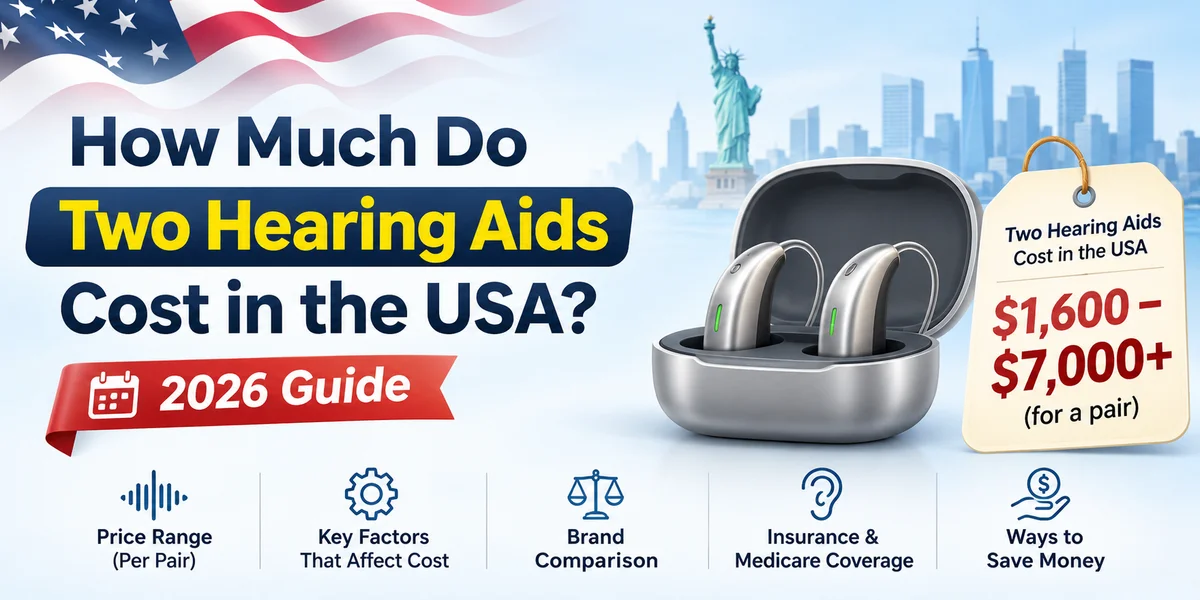
- The average price of two hearing aids in the USA in 2026 is about $2,700 across all device types.
- Prescription hearing aids average roughly $3,400 per pair, while over-the-counter (OTC) devices average around $500.
- Prices have dropped from about $4,700 per pair in 2018.
- Premium clinic packages can still go beyond $5,000 per pair.
- Technology level, style, rechargeable batteries, AI features, brand and place of purchase all affect the final cost.
- Always confirm whether a quoted price is for one hearing aid or a pair.
How Much Do Two Hearing Aids Cost in the USA in 2026?
Shopping for hearing aids can feel confusing because the price tags vary so widely. One clinic quotes several thousand dollars, an online seller advertises a few hundred, and a pharmacy shelf shows something in between. If you want to know what a pair really costs in the United States this year, this guide gives you realistic numbers, explains what pushes the price up or down, and shows practical ways to spend less without compromising on quality.
The Average Cost of a Pair in 2026
Based on the latest buyer survey data from HearingTracker, the average amount people pay for two hearing aids in the USA is about $2,700. That figure blends every type of device, including cheaper OTC models. When you look only at prescription hearing aids, the average climbs to roughly $3,400 per pair, while OTC buyers report paying around $500.
The trend is encouraging. The same survey series showed an average near $4,700 per pair back in 2018, so buyers now pay noticeably less than they did a few years ago. Competition from OTC products, direct-to-consumer sellers and newer technology has helped bring prices down. Premium clinic packages, however, can still exceed $5,000 for a pair.
Price Ranges by Technology Level
As a rough guide, expect these ranges for a pair:
OTC hearing aids: about $200 to $1,500
Entry-level prescription hearing aids: about $500 to $1,500
Mid-range prescription hearing aids: about $1,200 to $2,500
Premium and AI-powered prescription hearing aids: about $2,000 to $5,000 or more
These are market estimates rather than fixed prices, and the ranges overlap because brands, styles and sellers differ. A basic prescription device from one manufacturer can cost more than a mid-level model from another.
Check Whether the Quote Covers One Device or Two
Many clinics and websites list the price of a single hearing aid. Since most people with hearing loss need two, your actual bill may be double the advertised figure. Before you commit, ask whether the price covers a pair, whether programming is included, and what the warranty and return terms are. Dividing a pair price by two also helps you compare fairly. A $2,600 pair, for example, works out to about $1,300 per ear.
What Decides the Final Price
Technology level: Entry-level devices handle essential amplification. Premium devices add stronger speech-in-noise processing, more automatic adjustments and richer connectivity such as Bluetooth streaming.
Style: Slim receiver-in-canal models and custom invisible styles often cost more than standard behind-the-ear designs. Your type of hearing loss and the shape of your ear also influence which style suits you.
Rechargeable batteries: Rechargeable hearing aids can cost slightly more upfront, but you simply charge them overnight and avoid buying disposable batteries. Seniors with limited dexterity often find them far easier to handle.
AI features: Artificial intelligence is the biggest change in 2026. Deep neural network processing helps separate speech from background noise, which makes a real difference in restaurants, family gatherings and busy streets. That capability usually adds to the price.
Brand: Leading manufacturers such as Phonak, Oticon, Signia, ReSound, Widex and Starkey each offer several price tiers, so a single brand can span budget to premium.
Place of purchase: Where you buy matters as much as what you buy, which brings us to the next point.
Clinic or Online: Which Is Cheaper?
Audiology clinics typically bundle fitting, follow-up appointments and warranty coverage into one price, which is why a pair can reach the thousands. Online retailers usually charge less because those services are not rolled into the sticker price, and devices often arrive pre-programmed from your audiogram.
Buying online suits people who have a recent hearing test and are comfortable with remote support. If you need frequent in-person adjustments or have a complex hearing loss, a clinic may still be worth the extra cost.
Extra Costs to Plan For
The hearing aids themselves are not the only expense. Depending on the seller, you may also need to budget for:
Programming and fine-tuning sessions
Extended warranty plans
Repairs after the warranty ends
Replacement domes, wax guards and cleaning supplies
Batteries or a spare charger
Accessories such as a remote microphone
Ask for a complete cost breakdown so there are no surprises later.
Insurance and Financial Help
Original Medicare generally does not cover hearing aids. Several other routes may reduce your cost:
Some Medicare Advantage plans
Private health insurance plans
Certain state Medicaid programs
VA benefits for eligible veterans
HSA and FSA funds, which can often be used for hearing aids
Coverage varies a lot from plan to plan, so check your own benefits before you buy.
OTC vs Prescription Hearing Aids
Since 2022, US adults with perceived mild to moderate hearing loss can buy OTC hearing aids without a prescription. They cost less, but prescription devices can be programmed precisely to your audiogram and cover every degree of loss, from mild to profound. They also offer power models, CROS systems for one-sided hearing loss and advanced AI features.
If you have moderate to severe loss, hearing loss in one ear, tinnitus or difficulty following speech in noise, a prescription device is usually the better fit.
Smart Ways to Save on Two Hearing Aids
Compare online prices to avoid bundled clinic fees.
Watch for seasonal sales and manufacturer promotions.
Match the technology level to your lifestyle. If you rarely visit noisy places, you may not need the top tier.
Use HSA or FSA money if you have it.
Compare total cost, not just the sticker price. Include programming, warranty and support.
Take a hearing test first so you only pay for the level of power you actually need.
Buying Checklist
Is the seller offering genuine manufacturer products?
Is the price for a pair?
Is programming included?
What are the warranty, return and repair terms?
Are upgrade options available?
Remember that hearing aids are customized medical devices. Once they are opened and programmed, many sellers will only accept returns for a manufacturing defect or a device that does not power on, so read the refund policy carefully before ordering.
A Note for Readers in India
If you are comparing US prices from India, convert them at the current exchange rate, but remember that the lowest price is not always the best value. Check whether the warranty is valid in India, whether repairs and servicing are available locally, and who will handle fine-tuning after purchase. A qualified audiologist near you can advise on fitting and follow-up care.
Final Thoughts
The average price of two hearing aids in the USA in 2026 is roughly $2,700, though your own cost will depend on brand, technology level, style and seller. Understanding what you are paying for, confirming that the quote covers a pair, and looking at the full cost of ownership will help you choose a device that fits both your hearing needs and your budget.
FAQs
What is the average price of two hearing aids in the USA in 2026?
The average is about $2,700 per pair across all types. Prescription hearing aids average around $3,400 per pair, and OTC devices average around $500.
How much does one hearing aid cost?
Divide the pair price by two. For example, a $2,600 pair is about $1,300 per ear. Always confirm whether a listed price is for one device or both.
Why are hearing aids so expensive?
They are advanced medical devices with tiny microphones, processors and sometimes AI. Clinic prices also often include fitting, follow-up visits and warranty.
What is the cheapest way to buy two hearing aids?
Buying online is usually the most affordable route, and OTC devices cost less still if you have mild to moderate hearing loss. Compare the total cost, including programming and warranty.
Are expensive hearing aids worth it?
Premium AI models help most with speech in noise. If your conversations are mostly in quiet settings, a mid-range model may be enough.
Does Medicare cover hearing aids?
Original Medicare generally does not. Some Medicare Advantage plans, private insurance, Medicaid programs and VA benefits may help.
Do I need a hearing test before buying?
A recent audiogram is strongly recommended for correct programming. Online hearing checks are useful as a first step, but they are screenings, not medical diagnoses.
Are rechargeable hearing aids more expensive?
They can cost a little more upfront, but they save money on disposable batteries over time and are easier to use daily.
More from this section


Web Stories
More stories › कानात दडे बसणे: कारणे, लक्षणे आणि उपचार
 Flysound Comfort Pro: OTC AI hearing aid with remote mic
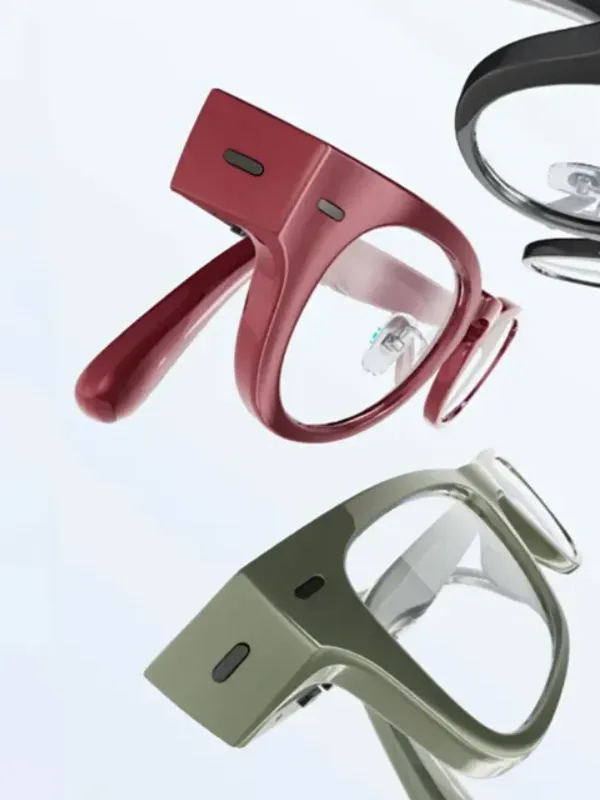 Nuance Audio Plus: New Hearing Glasses Explained
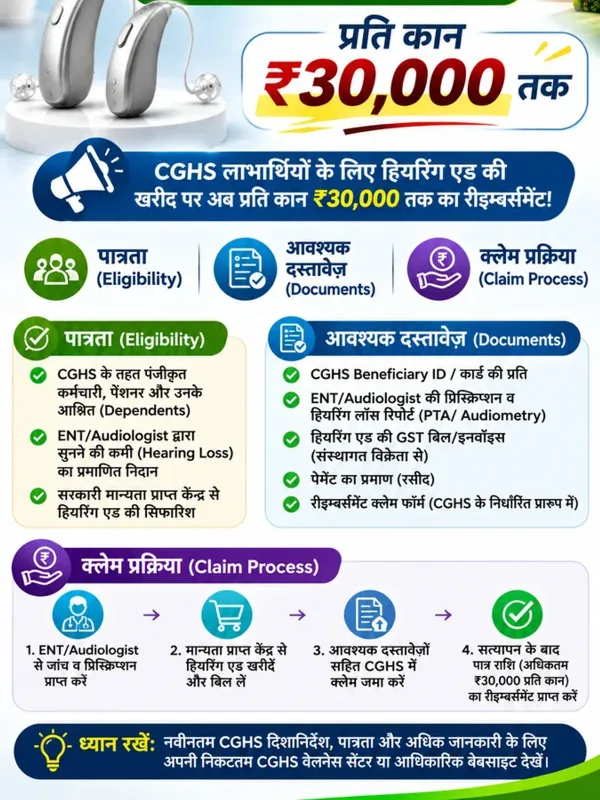 CGHS हियरिंग एड रीइम्बर्समेंट 2026: प्रति कान ₹30,000 तक, पात्रता, दस्तावेज़ और क्लेम प्रक्रिया
 Widex Allure AI RIC Explained: What On-Demand AI Hearing Aids Mean for Buyers in India
 आजी-आजोबांसाठी कोणती आरोग्य मशीन? मार्गदर्शन
 ब्रेकिंग न्यूज: श्रवणयंत्रावर 50% सूट | व्हिआर स्पीच अँड हिअरिंग क्लिनिक, अहिल्यानगर
 Hearing Aids November 2026: Latest Updates & Price Guide
 Oticon Hearing Aids Discontinued in India: Full List 2026
 Siemens Hearing Aid Guide 2026: Features, Prices, Benefits
Reader Comments
Comments are reviewed by our desk before they appear. Sign in with your mobile number to join the discussion.