TruHearing News: Hearing Aid Benefits & Senior Care Gaps
TruHearing’s Elect to Reconnect campaign targets seniors who delay hearing care. See survey findings, hearing aid savings and what benefits may cover.
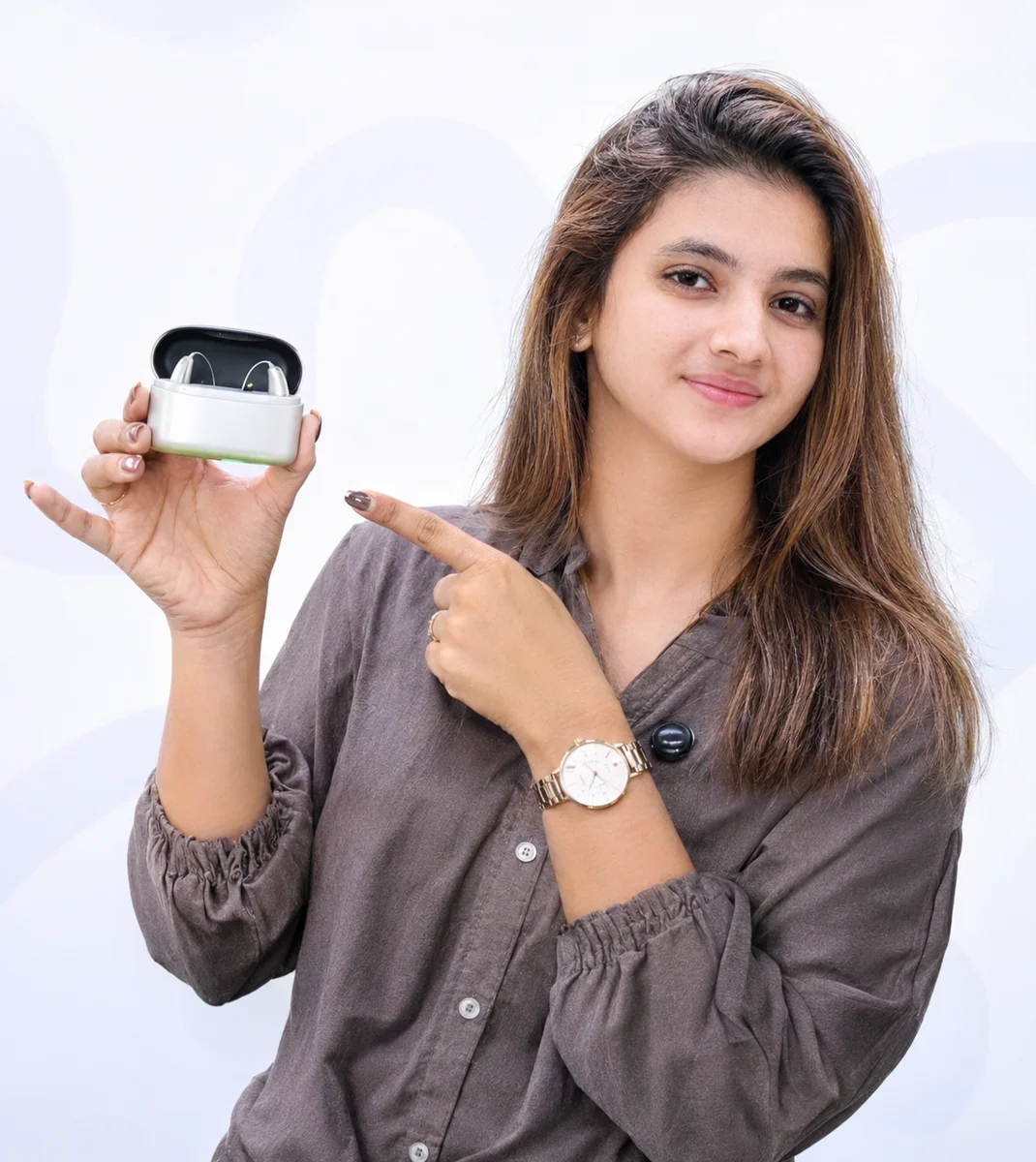

- TruHearing’s Elect to Reconnect campaign urges seniors to check their hearing benefits before delaying care any longer.
- A survey of 1,837 U.S. adults aged 70 to 88 found cost worries and “good enough” thinking keep many from treatment.
- In Ohio, 44% of seniors report hearing loss but only 12% have sought treatment; in Tennessee, 47% of those with hearing loss cite cost.
- TruHearing says members save an average of $3,830 per pair of hearing aids compared with full retail price.
- The company reports coverage for more than 160 million people and a network of more than 8,850 provider locations.
- Hearing Care Solutions was fully integrated into the TruHearing brand on January 1, 2026.
TruHearing Campaign Puts Hearing Aid Benefits in Focus as Seniors Delay Care
TruHearing, the Draper, Utah-based hearing healthcare benefits company, is putting fresh emphasis on a message that could save older Americans real money: the hearing aid coverage they need may already be part of their health plan. Its Elect to Reconnect campaign, built on a national survey of seniors, takes on added relevance as Medicare’s annual enrollment period, which ends December 7, has many older adults comparing plans for the year ahead.
What Is TruHearing’s Elect to Reconnect Campaign?
TruHearing launched Elect to Reconnect earlier this year to close what it sees as an awareness gap. Many seniors live with hearing difficulty for years without checking whether their insurance, union program or employer benefit includes hearing aids. The campaign encourages people to learn about their hearing healthcare benefits and take a first step, such as a screening or a provider appointment.
The campaign has been paired with state-level survey releases in Tennessee on June 17 and Ohio on June 30, 2026. Both draw on one online survey, conducted through Pollfish, of 1,837 U.S. adults aged 70 to 88, including 287 Tennessee residents and 300 Ohio residents. Rob Gibbs, TruHearing’s Chief Growth Officer, said a hearing loss diagnosis alone is often not enough to motivate people, which is why the company is focused on explaining benefits and treatment options.
Tennessee Findings: Cost Fears Stretch the Wait
The Tennessee results show how cost concerns shape decisions. Nearly half of Tennessee seniors with hearing loss, 47%, said they have not pursued treatment because they believe it is too expensive, compared with 32% nationally. Another 34% were unsure whether their health plan covers hearing aids.
The waits are long. More than a quarter of Tennessee seniors with hearing loss, 28%, hold off for more than five years, while the national average delay is four years. Among cost-conscious seniors, 56% said information about affordable options or insurance coverage would motivate them to act. TruHearing notes that hearing benefits can, in many cases, reduce the cost of hearing aids by half.
Encouragement from loved ones does not always translate into action. More than half of Tennessee seniors, 55%, said a loved one urging them to get tested would signal a problem, yet only 14% of those who received that nudge had their hearing evaluated in the past year. Lisa Ford, an audiologist and founder of Shea Hearing Solutions in Memphis, said many older adults wait because they think the problem is not serious or worry about price.
Ohio Findings: Hearing That Seems Good Enough
In Ohio, 44% of seniors report some level of hearing loss, but just 12% have sought treatment. Among Ohioans with untreated hearing loss, 75% said their hearing is “good enough” for their current needs, well above the 66% national figure.
Awareness of the health stakes is thin. Among Ohio seniors worried about cognitive decline, 59% did not know hearing loss is linked to conditions such as Alzheimer’s disease and dementia. Testing is rare, too: 78% of Ohio seniors have not had their hearing checked in the past year, a figure that climbs to 88% among those with untreated loss. Coverage is another blind spot, with 44% unsure whether their plan includes hearing benefits.
One finding points toward a solution: among Ohio seniors who did seek treatment, 44% said encouragement from family or friends influenced their decision.
Why Untreated Hearing Loss Matters Beyond Hearing
Researchers and hearing specialists have linked untreated hearing loss to social isolation, cognitive decline and falls. Only 21% of Tennesseans surveyed were aware that hearing loss may contribute to fall risk, even though falls are a top aging-related health concern in the state, according to TruHearing’s Tennessee release. Hearing loss also tends to arrive gradually, and missing sounds are not always obvious, which helps explain why people postpone care. An online hearing screening, which TruHearing says takes under five minutes, can indicate whether a full exam is worthwhile, but it does not replace an evaluation by a licensed hearing professional.
How the TruHearing Hearing Aid Benefit Works
TruHearing states plainly that it is not insurance. Instead, it works with health plans, unions and other sponsors to deliver hearing aid benefits and discount programs. Members call 1-800-334-1807 so a hearing consultant can verify coverage, locate a nearby provider and schedule an appointment. To maximize savings, appointments must be booked through TruHearing with a provider in its network.
The company says its network spans more than 8,850 locations, and that about 90% of the U.S. population lives within 10 miles of one, with mobile providers also available in some states. On price, TruHearing reports that members save an average of $3,830 per pair compared with full retail, depending on plan details. It cites $4,727 per pair as the average out-of-pocket cost of prescription hearing aids at a traditional clinic. Actual costs vary by plan and prescription.
The TruHearing lineup also includes its own branded hearing aids, models from leading manufacturers, an over-the-counter option through an online shop, a smartphone app and hearing aid batteries, advertised at 120 for $39 with free delivery.
Scale, Partnerships and the Hearing Care Solutions Integration
The campaign sits atop a business with considerable reach. TruHearing says it covers more than 160 million lives, works with over 300 partners nationwide, including more than 110 health plan partners, and has more than 20 years of experience partnering with the nation’s largest payors.
Its footprint deepened on January 1, 2026, when Hearing Care Solutions was fully integrated into TruHearing’s operations. The two companies had announced in April 2025 that they would merge under the TruHearing brand, a move the company said is intended to create a more unified experience for providers, payor partners and patients.
Membership organizations are part of the picture, too. In January 2026, NYSUT Member Benefits introduced a hearing care program provided by TruHearing, advertising hearing devices starting at $499 and access to the national provider network. TruHearing’s business pages describe solutions for health plans, unions, brokers and consultants, and accountable care organizations, along with a provider portal and training resources for hearing care professionals who join the network.
What the Findings Mean for Consumers and Plan Sponsors
For consumers, the practical takeaway is to check before assuming. Original Medicare generally does not cover hearing aids, while many Medicare Advantage plans offer some hearing benefit. Employer plans, union programs and discount programs differ widely, and the surveys suggest many seniors simply do not know what they have. With Medicare’s annual enrollment period running through December 7, reviewing hearing benefits alongside premiums and provider networks is a timely step.
For plan sponsors, brokers and employers, the data is a reminder that offering a benefit is not the same as members using it. Clear communication, easy provider access and upfront cost information all influence whether people follow through. Whether awareness campaigns like Elect to Reconnect translate into more screenings and exams is the next question for the industry. The survey results come from TruHearing’s own research, and the savings figures are company-reported averages, so individual outcomes will differ.
Seniors unsure of their coverage can call TruHearing at 1-800-334-1807 (TTY 711) to verify their hearing aid benefit and find a participating provider.
Frequently Asked Questions
What is TruHearing?
TruHearing is a Draper, Utah-based hearing healthcare benefits company with more than 20 years of experience. It says it serves more than 160 million people through more than 300 partners nationwide and offers access to a network of more than 8,850 provider locations.
What is the Elect to Reconnect campaign?
Elect to Reconnect is a TruHearing awareness campaign that urges seniors to learn about their hearing healthcare benefits and take early steps toward treatment. It is supported by survey findings from Tennessee and Ohio.
How much can TruHearing members save on hearing aids?
TruHearing reports an average saving of $3,830 per pair compared with full retail price, depending on plan details. The company cites $4,727 per pair as the average out-of-pocket cost for prescription hearing aids at a traditional clinic. Your cost depends on your plan and prescription.
How can I check my hearing aid benefit?
Call TruHearing at 1-800-334-1807 (TTY 711). A hearing consultant can verify your benefit, find a network provider near you and schedule your appointment.
Does Medicare cover hearing aids?
Original Medicare generally does not cover hearing aids, though many Medicare Advantage plans include some hearing benefit. Check your plan documents or ask your plan administrator to confirm what applies to you.
Is TruHearing insurance?
No. TruHearing states that it is not insurance. It works with health plans, unions and other partners to deliver hearing aid benefits and discount programs.
More from this section



Web Stories
More stories ›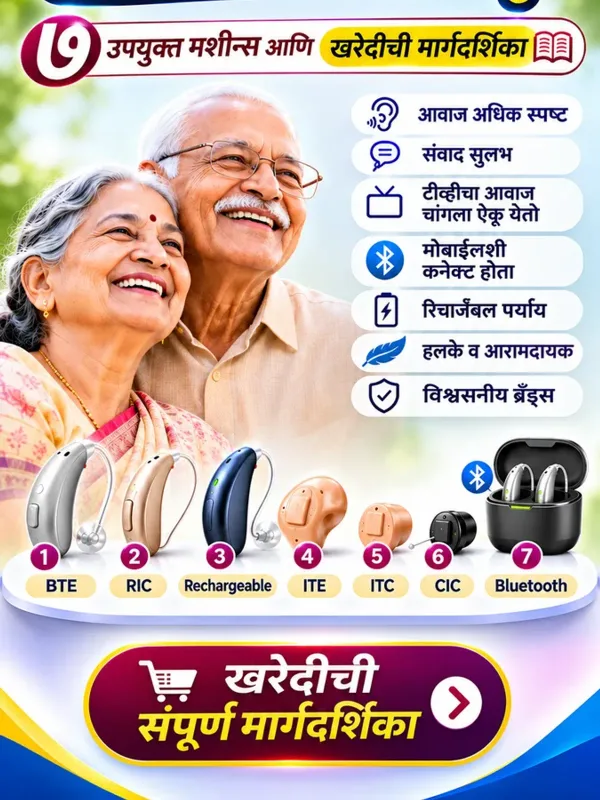 आजी-आजोबांसाठी कोणती आरोग्य मशीन? मार्गदर्शन
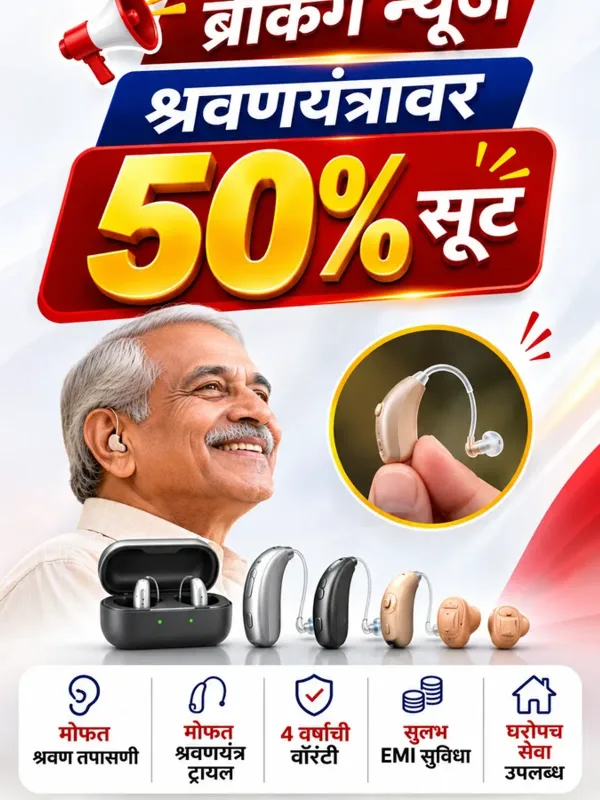 ब्रेकिंग न्यूज: श्रवणयंत्रावर 50% सूट | व्हिआर स्पीच अँड हिअरिंग क्लिनिक, अहिल्यानगर
 Hearing Aids November 2026: Latest Updates & Price Guide
 Siemens Hearing Aid Guide 2026: Features, Prices, Benefits
 Phonak Hearing Aid Latest Update 2026: New EON Series, Features, Price and Availability
 Signia Hearing Aid Latest Update 2026: New MaX AI Hearing Aid, Features and Prices
 Widex Hearing Aid Latest Update 2026: Allure AI & Price
 Oticon Reveal 2026: Dual AI hearing aid, features and price
Reader Comments
Comments are reviewed by our desk before they appear. Sign in with your mobile number to join the discussion.