Ear Machine for Old Age Hearing Loss | Senior Guide India
Discover how an ear machine for old age hearing loss restores clarity and independence. Learn symptoms, benefits and top senior hearing aid India options.

How Ear Machines Help with Age-Related Hearing Loss
Many families notice it first at the dinner table. A parent asks everyone to repeat themselves, turns the TV volume up, or stops joining conversations. Age-related hearing loss is common, gradual and treatable. An ear machine for old age hearing loss can bring back clear sound, confidence and independence. This guide explains the symptoms, the device types, the buying steps and the care tips for Indian seniors.
What Is an Ear Machine for Old Age Hearing Loss
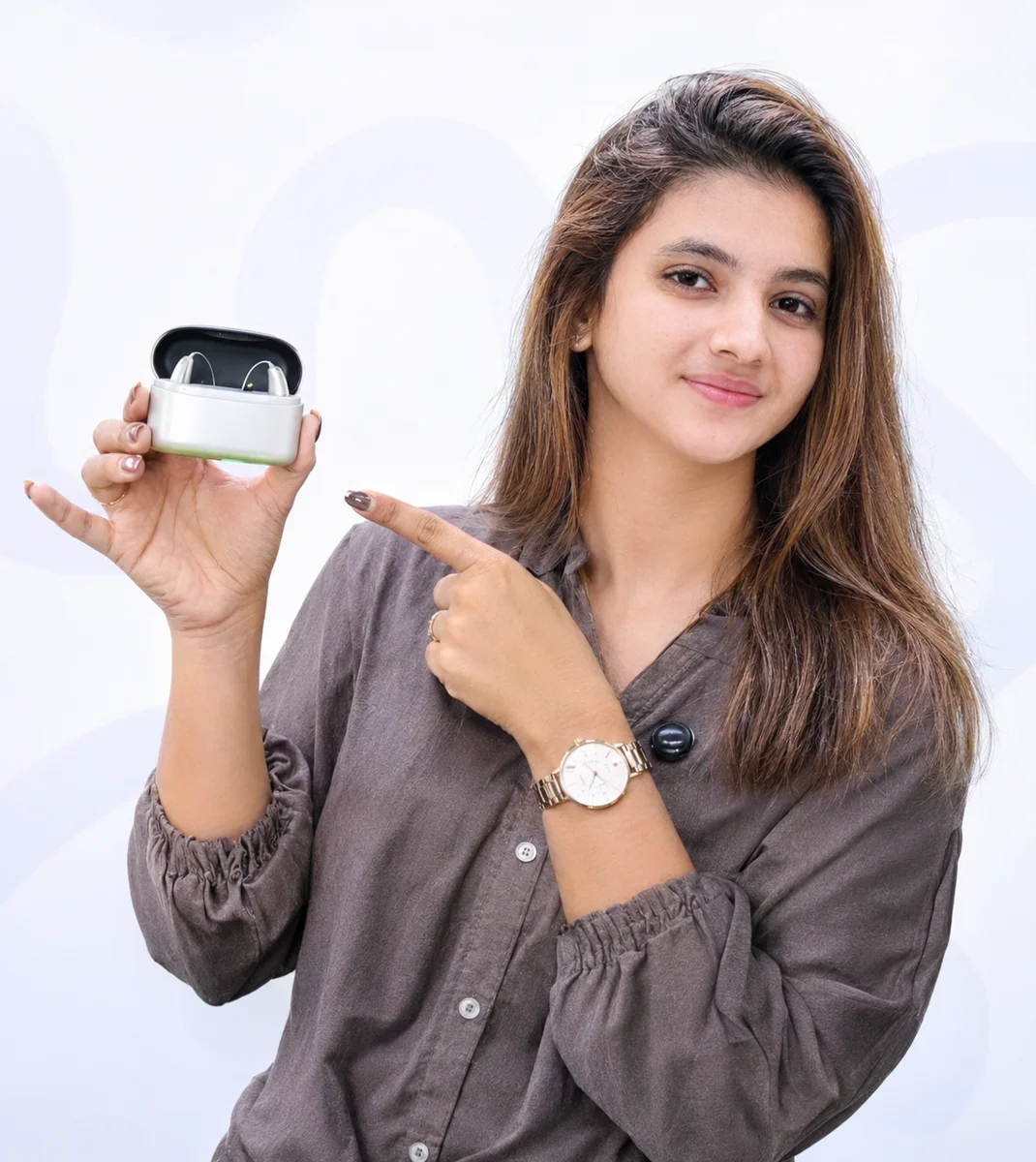
“Ear machine” is the popular Indian term for a hearing aid. It is a small electronic device worn in or behind the ear. A microphone picks up sound, a processor adjusts it to match the wearer’s hearing loss, and a tiny speaker delivers it into the ear canal.
For seniors, the purpose is simple: make speech easier to understand, especially in daily situations like family talks, phone calls and temple or market visits. Modern devices are discreet, lightweight and far more natural-sounding than older models.
Common Hearing Loss Symptoms Elderly Experience
Age-related hearing loss, called presbycusis, usually affects both ears and develops slowly. High-pitched sounds fade first, so the person may hear that someone is speaking but struggle to follow the words.
Common hearing loss symptoms in the elderly include:
Asking people to repeat themselves often
Trouble following conversations in noisy places
Playing the TV or radio very loudly
Missing the doorbell, phone or alarm
Feeling that people mumble
Ringing or buzzing in the ears (tinnitus)
Feeling tired after social events, or avoiding them
If two or more of these sound familiar, book a hearing test with an audiologist.
Early Warning Signs to Watch
Mild symptoms are easy to dismiss. Watch for difficulty hearing women’s and children’s voices, trouble on phone calls, and missing words in group conversations. A person may also nod along without really understanding. Early testing means easier adjustment to a hearing device and better long-term results.
How Ear Machines Improve Daily Life
A well-fitted ear machine does more than make sounds louder. It amplifies only the frequencies the person has lost, which makes speech clearer rather than just noisier.
Practical benefits include:
Clearer conversations with family and friends
Better awareness of safety sounds like traffic, alarms and doorbells
Less mental strain and fatigue
Improved confidence and social participation
Easier phone calls, with some models streaming directly from smartphones
Many families report that a parent becomes more cheerful and involved once hearing improves. Untreated hearing loss is also linked with social withdrawal, so early support matters.
Types of Ear Machines Available in India
Behind-the-ear (BTE): The device sits behind the ear and connects to an earmould or a thin tube. BTE models are strong, easy to handle and suit mild to profound hearing loss. They are a popular choice for seniors because of larger buttons and longer battery life.
Receiver-in-canal (RIC): A slim version of BTE with a tiny speaker in the canal. It is discreet and sounds natural.
In-the-ear (ITE) and in-the-canal (ITC): Custom-moulded devices that sit inside the ear. They are less visible but have smaller controls, which may be harder for people with weak finger dexterity.
Rechargeable models: Many seniors prefer these because there are no tiny batteries to change.
Your audiologist will recommend the best style based on your hearing test, ear shape and comfort needs.
Why Choose Senior Hearing Aid India Options
Choosing a senior hearing aid India option has clear advantages. Leading international and Indian brands are widely available, and models are available across budgets, from basic digital devices to premium rechargeable ones with Bluetooth.
Local clinics also offer hearing tests, device fitting, follow-up adjustments and repairs in your own city. Good after-sales service matters as much as the device, because a hearing aid needs fine-tuning over the first few weeks. Prices vary widely depending on technology level, so ask for a clear quotation, warranty details and trial options before you decide.
Step-by-Step Guide to Selecting the Right Device
Use this checklist when buying an ear machine for a senior:
Get a full hearing test. Visit a qualified audiologist for a proper audiogram and speech test.
Discuss lifestyle. Does the person live alone, attend gatherings, or spend time outdoors?
Check dexterity and eyesight. Choose controls that are easy to handle.
Set a budget. Compare features at different price levels.
Prefer rechargeable or easy-battery models if handling small batteries is difficult.
Ask about a trial period. A few days of real-life use shows how the device performs.
Confirm warranty and service. Ask about repair costs and follow-up visits.
Plan for adjustment time. Brains need a few weeks to get used to new sounds.
Maintenance Tips for Long-Term Use
A little daily care keeps the device working for years.
Wipe the device with a soft, dry cloth every night
Keep it away from water, sweat, hair oil and moisture
Store it in a dry case overnight, and use a drying box in monsoon months
Replace wax guards as advised by your audiologist
Charge rechargeable models nightly, or keep spare batteries ready
Never use alcohol, sprays or sharp tools to clean it
Visit your clinic every six months for a check-up
Real Stories from Indian Seniors
The following are illustrative examples based on common experiences.
Retired teacher, 68, Pune: He avoided family functions because he could not follow conversations. After fitting a RIC hearing aid, he began enjoying evening discussions with his grandchildren again.
Homemaker, 72, Nagpur: She often missed phone calls and the doorbell. A simple rechargeable BTE device made her feel safe and independent at home.
Retired bank manager, 75, Nashik: Initially doubtful, he tried a device on trial and noticed clearer TV dialogue at lower volume. His family says he is far more talkative now.
Frequently Asked Questions
1. What is an ear machine for old age hearing loss?
It is a hearing aid designed to amplify and clarify sounds for people with age-related hearing loss.
2. At what age do people usually need hearing aids?
Many people begin noticing changes after 60, but it can start earlier. Test when symptoms appear, not by age.
3. What are the first hearing loss symptoms in the elderly?
Asking for repetition, struggling in noisy places and turning up the TV volume are typical early signs.
4. Will an ear machine restore normal hearing?
No device restores natural hearing, but a properly fitted hearing aid greatly improves speech understanding and daily communication.
5. Which type is best for seniors?
BTE and RIC models are popular because they are easy to handle and comfortable. Your audiologist will guide the final choice.
6. How long does it take to get used to a hearing aid?
Most people adapt within two to four weeks if they wear it consistently.
7. How long does a hearing aid last?
With good care, typically five to seven years or more.
8. Can hearing aids be worn all day?
Yes. Most seniors wear them from morning to night, removing them for sleeping and bathing.
Conclusion
An ear machine for old age hearing loss can transform how seniors connect with family, stay safe and enjoy daily life. Recognise the symptoms early, choose the right type, and look after the device well. Most importantly, consult a qualified audiologist for a proper hearing test and personalised advice. Better hearing is one of the simplest ways to help a loved one stay active and independent.
More from this section
Web Stories
More stories ›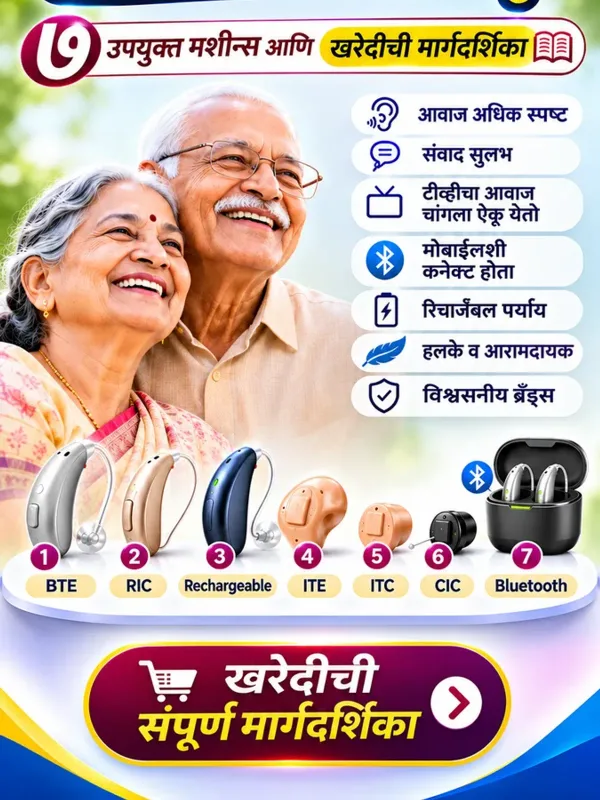 आजी-आजोबांसाठी कोणती आरोग्य मशीन? मार्गदर्शन
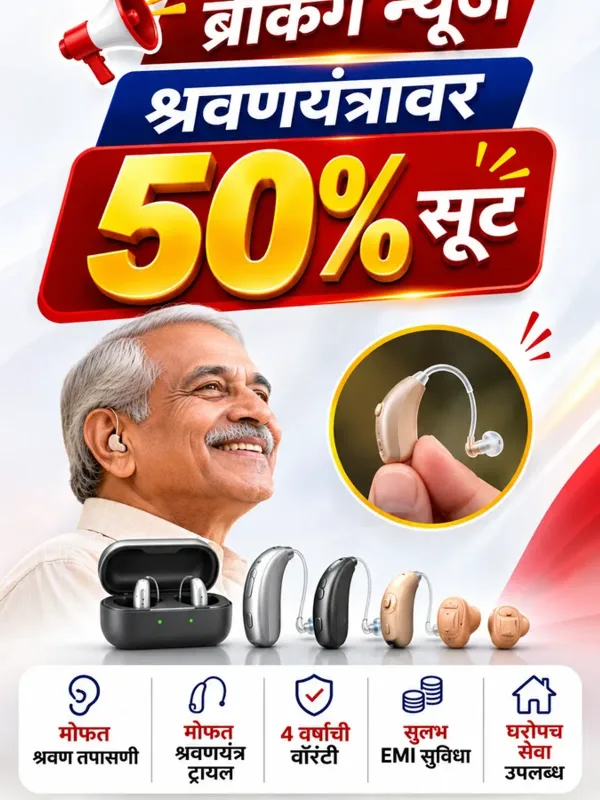 ब्रेकिंग न्यूज: श्रवणयंत्रावर 50% सूट | व्हिआर स्पीच अँड हिअरिंग क्लिनिक, अहिल्यानगर
 Siemens Hearing Aid Guide 2026: Features, Prices, Benefits
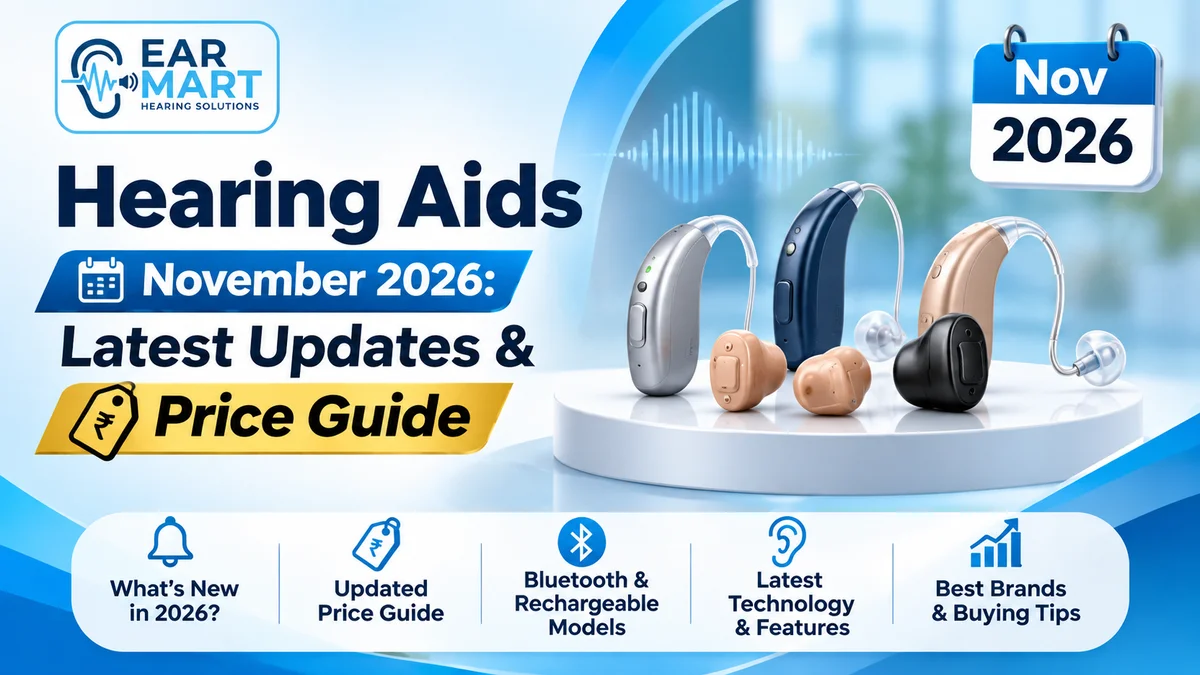
 Hearing Aids November 2026: Latest Updates & Price Guide
 Phonak Hearing Aid Latest Update 2026: New EON Series, Features, Price and Availability
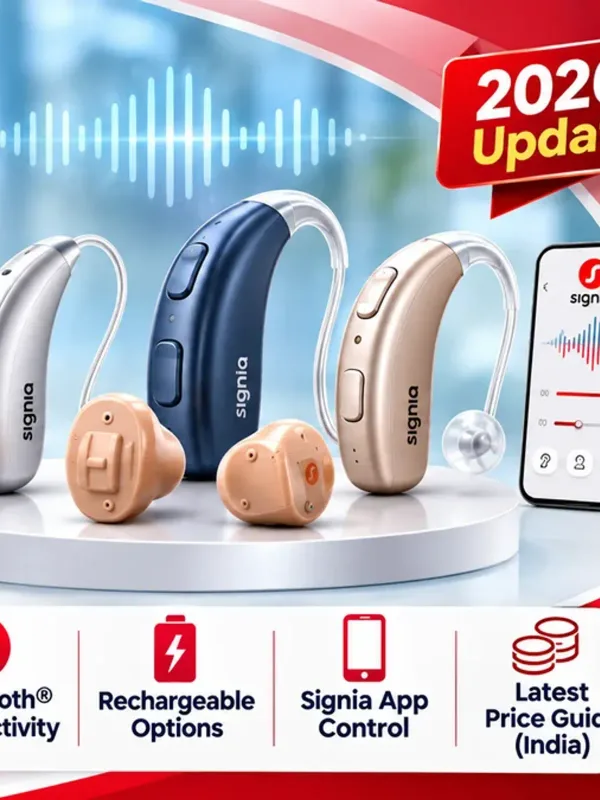 Signia Hearing Aid Latest Update 2026: New MaX AI Hearing Aid, Features and Prices
 Widex Hearing Aid Latest Update 2026: Allure AI & Price
 Oticon Reveal 2026: Dual AI hearing aid, features and price
Reader Comments
Comments are reviewed by our desk before they appear. Sign in with your mobile number to join the discussion.