India's Hearing Care Gap: Why Early Diagnosis Matters
India's hearing healthcare needs earlier diagnosis and faster intervention. Learn the gaps, why screening matters, and how to find hearing care near you.

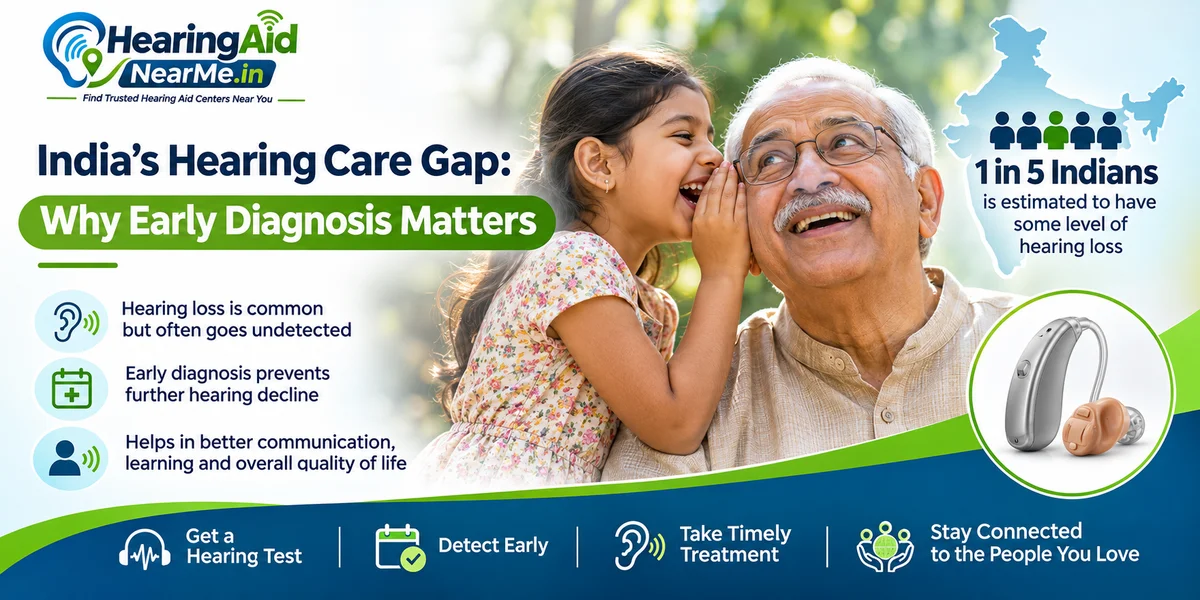
- WHO estimates that about 63 million people in India live with significant auditory impairment.
- In a Karnataka study of 384 parents, hearing loss was suspected at about 18.6 months on average, diagnosed at 25 months and treated at about
- The global "1-3-6" goal is to screen by 1 month, confirm diagnosis by 3 months and start early intervention by 6 months.
- In India, hearing screening is mostly available to newborns born in tertiary hospitals.
- Gaps in infrastructure, uneven adoption of early detection programmes and technical hurdles slow progress.
- Early testing, hearing aids and speech therapy can protect language, learning and mental wellbeing.
India's Hearing Healthcare System Needs to Do More on Early Diagnosis and Timely Intervention
Hearing loss is often called an invisible disability. It rarely announces itself, and in India it is frequently noticed late. Many families wait for a child to miss speech milestones, and many adults put off a hearing test for years. By then, the damage to learning, communication and confidence can be hard to undo. Strengthening early diagnosis and timely intervention is one of the most practical steps India can take to improve hearing healthcare.
The scale of hearing loss in India
WHO estimates that roughly 63 million people in India live with significant auditory impairment. Globally, more than 1.5 billion people experience some decline in hearing during their lives, and at least 430 million of them will need care. Much of this burden can be reduced with timely action.
Why early diagnosis changes outcomes
For babies and young children, hearing is the foundation of speech and language. Research shows that infants who receive intervention before 6 months of age tend to have better language, communication and school outcomes in the early years. Every month of delay costs a child exposure to sound, words and social interaction.
The internationally accepted "1-3-6" benchmark asks for newborn screening within the first month, a confirmed diagnosis by 3 months, and enrolment in early intervention by 6 months. Adults benefit from early action too. Prompt testing and the right hearing aid can protect job performance, family conversations and independence.
The reality: diagnosis happens late
India's current numbers show how far we are from that benchmark. A study of 384 parents in Karnataka found that hearing loss was suspected at around 18.6 months, diagnosed at about 25 months and addressed at about 30.6 months on average. Fewer than 4 percent of children were diagnosed before 3 months, and under 1 percent received intervention within 6 months. The researchers concluded that depending on parents to notice the problem cannot deliver early identification, which is why they call for a comprehensive early hearing detection and intervention programme that includes universal newborn screening and addresses awareness, accessibility and affordability.
What is holding the system back
Several challenges stand in the way:
Limited screening reach. Screening facilities are mostly concentrated in tertiary hospitals, so babies born in smaller towns and rural areas are often missed.
Infrastructure and staffing gaps. Shortages of equipment and trained staff, uneven adoption of early detection programmes, and technical obstacles make nationwide rollout difficult.
Low awareness. Many people accept hearing decline as a normal part of ageing or assume a child will "grow out of it."
Affordability and access. Families often do not know where to go for a hearing test, what it costs or how to follow up after diagnosis.
India has had a national programme for prevention and control of deafness since 2008, but a consistent, well-resourced screening pathway from birth through school age is still taking shape.
What needs to change
Make newborn screening universal. Every baby should be screened before leaving the hospital, with a clear referral path for those who need further testing.
Bring screening to schools and communities. In Mysuru, audiologists from the All India Institute of Speech and Hearing screened 1,108 children from 32 primary schools, showing how community screening can find children who would otherwise be missed. The theme for World Hearing Day 2026 reinforces this approach: "From communities to classrooms: hearing care for all children."
Invest in the system. WHO estimates that scaling up identification, treatment and rehabilitation needs roughly US$1.33 more per person each year. That is a small amount compared with the lifetime cost of untreated hearing loss.
Close the follow-up gap. Screening only helps when it leads to a diagnosis, a hearing device if needed, and rehabilitation. Hearing aids and cochlear implants work best together with proper support services and therapy.
Signs you should not ignore
For children:
No reaction to loud sounds in the early months
Delayed or unclear speech
Not responding when called
Turning the TV volume up very high
For adults:
Asking people to repeat themselves often
Trouble following conversations in noisy places
Difficulty on phone calls
Ringing in the ears or a feeling of muffled sound
If you notice any of these, book a hearing test with a qualified audiologist rather than waiting.
Finding hearing care near you
Early action is easiest when help is close by. Hearing Aid Near Me helps people find hearing test and hearing aid support in their city, so families can move from worry to a diagnosis and a solution sooner. Whether you are a parent, a caregiver or an adult noticing changes in your own hearing, an early test is a small step with a lasting benefit.
Conclusion
India does not lack awareness of the problem alone. It lacks a consistent system that catches hearing loss early and connects people to care quickly. With universal newborn screening, school and community programmes, and affordable access to testing and hearing aids, millions of people could hear, learn and work better. Until the system catches up, the most effective step is personal: get tested early and act on the result.
FAQs
1. Why is early diagnosis of hearing loss so important?
It protects speech, language and learning in children, and helps adults stay connected at work and at home. Infants who receive intervention before 6 months tend to do better in language and school outcomes.
2. What is newborn hearing screening?
It is a quick, painless test, usually done within days of birth, that checks whether a baby's ears respond to sound. Babies who do not pass are referred for further testing.
3. At what age should a child's hearing be tested?
Ideally within the first month of life. The 1-3-6 goal sets screening by 1 month, diagnosis by 3 months and intervention by 6 months. A child of any age with speech delay or poor response to sound should be tested straight away.
4. How many people in India have hearing loss?
WHO estimates that about 63 million people in India have significant auditory impairment.
5. Can hearing aids help if hearing loss is found late?
Yes. Hearing aids benefit people of all ages, and results are better when they come with proper fitting, follow-up and therapy. Earlier use usually gives better results.
6. What are the first signs of hearing loss in adults?
Frequently asking others to repeat themselves, struggling in noisy places, turning up the TV volume and finding phone calls hard to follow are common early signs.
7. How do I find a hearing test or hearing aid centre near me?
Search for a qualified audiologist in your city, or use Hearing Aid Near Me to find hearing care providers close to you.
More from this section

Web Stories
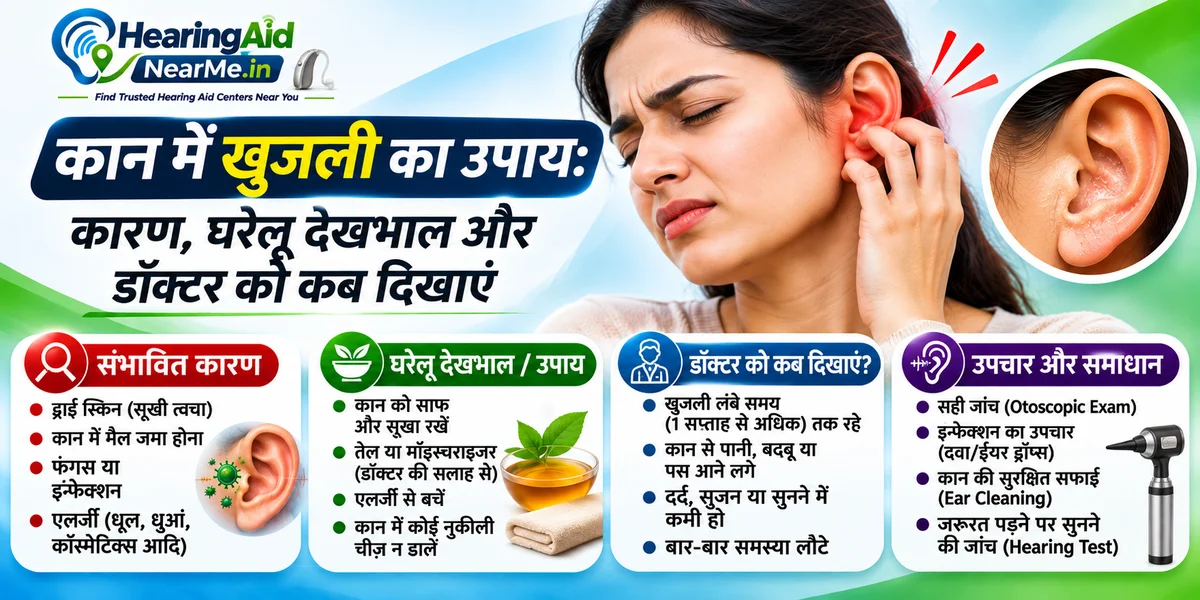
More stories › कान में खुजली: कारण, सुरक्षित उपाय और डॉक्टर की सलाह
 iPhone 18 Still Has No Auracast: Hearing Aid Impact
 कान में सनसनाहट (टिनिटस): कारण, इलाज और राहत के उपाय
 कानात दडे बसणे: कारणे, लक्षणे आणि उपचार
 Flysound Comfort Pro: OTC AI hearing aid with remote mic
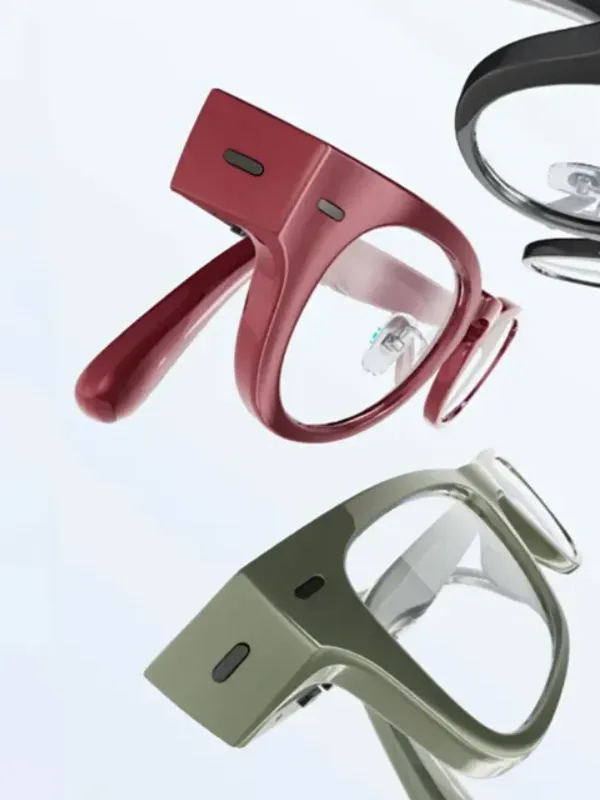 Nuance Audio Plus: New Hearing Glasses Explained
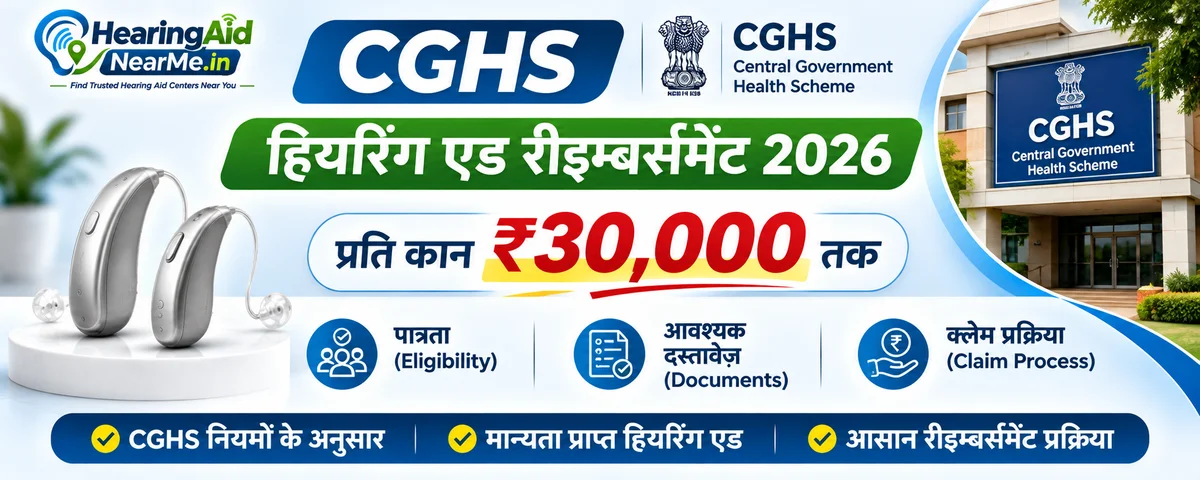
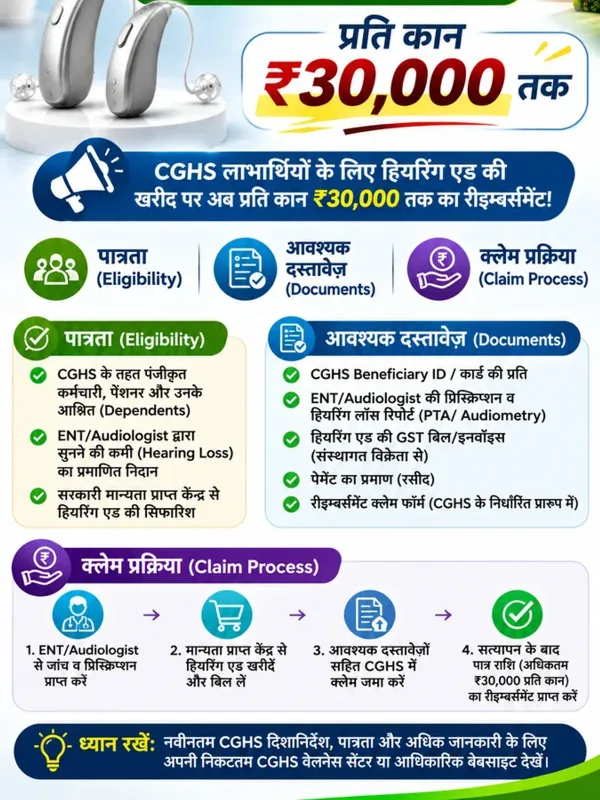 CGHS हियरिंग एड रीइम्बर्समेंट 2026: प्रति कान ₹30,000 तक, पात्रता, दस्तावेज़ और क्लेम प्रक्रिया
 Widex Allure AI RIC Explained: What On-Demand AI Hearing Aids Mean for Buyers in India
 आजी-आजोबांसाठी कोणती आरोग्य मशीन? मार्गदर्शन
 ब्रेकिंग न्यूज: श्रवणयंत्रावर 50% सूट | व्हिआर स्पीच अँड हिअरिंग क्लिनिक, अहिल्यानगर
Reader Comments
Comments are reviewed by our desk before they appear. Sign in with your mobile number to join the discussion.