Earkart US FDA Registration: What It Means for You
Earkart has completed US FDA registration for hearing aids. See what it means, what it doesn’t, and how to choose the right hearing aid in India.
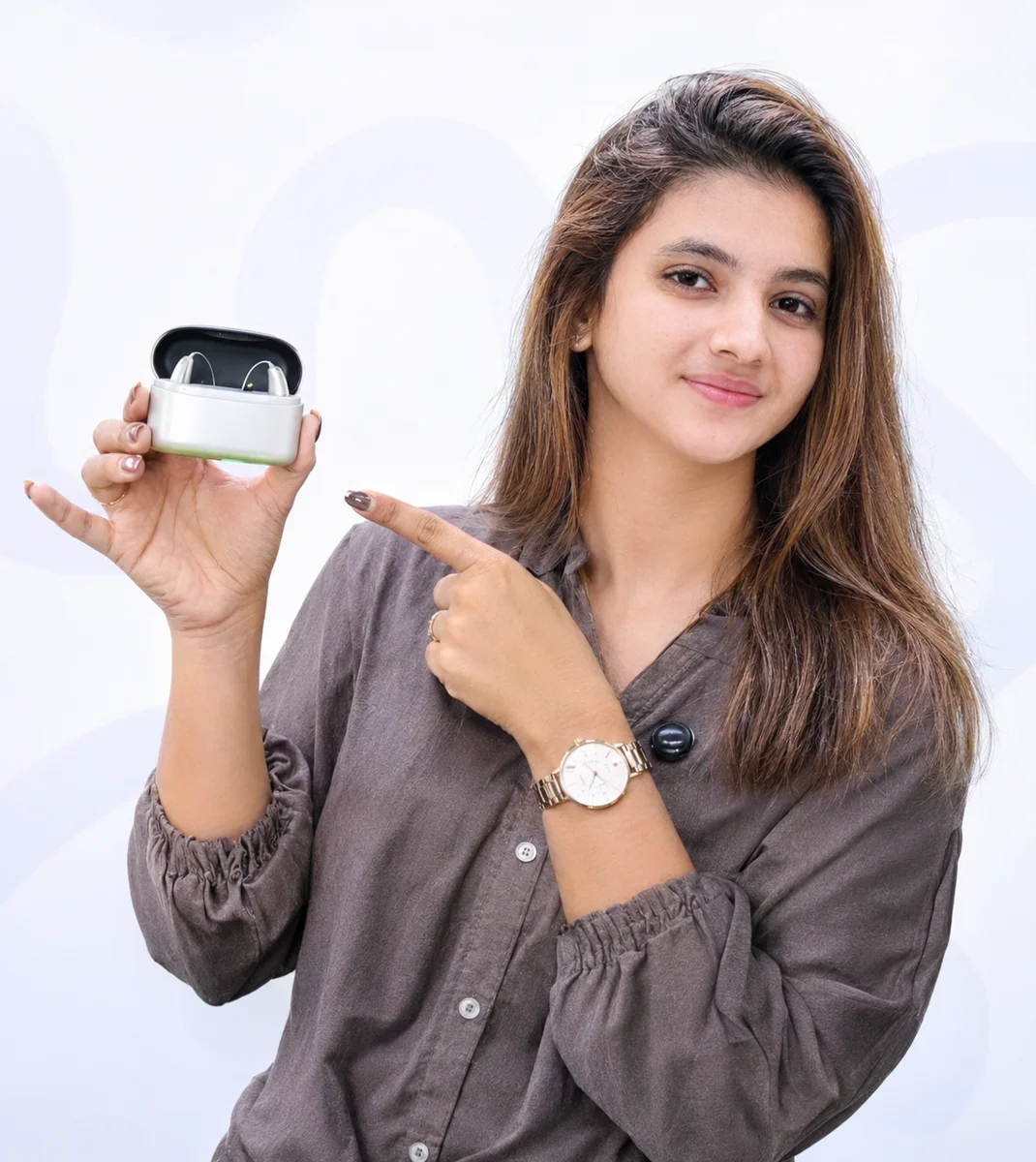


- Earkart Limited has completed US FDA establishment registration, with active device listings across four hearing aid categories.
- devdiscourse
- FDA registration is not FDA approval: it tells the agency where a company operates and which devices it handles.
- Ask any seller for the exact model, its category and whether it needed clearance before trusting an “FDA registered” claim.
- OSEL Devices also announced FDA registration for its Greater Noida facility in April 2026. Delhi NCR is emerging as a hearing aid manufacturing hub.
- nseindia
Earkart Completes US FDA Registration: What It Really Means for Hearing Aid Buyers in India
India’s hearing aid industry rarely makes global headlines, but a recent announcement from Noida has changed that. Earkart Limited, a hearing healthcare technology company, has completed its establishment registration with the US Food and Drug Administration (FDA). It now holds active medical device listings across four hearing aid categories.
If you are shopping for a hearing aid, or helping a parent or grandparent do so, “FDA registered” can sound like a gold standard. The reality is more nuanced. This guide explains what Earkart’s FDA registration means, what it does not mean, and how to choose a hearing aid that fits your hearing loss and budget.
What Earkart Announced
Earkart describes itself as an India-based company that develops, manufactures and distributes hearing aids and audiology equipment. The company says the FDA step completes a wider hearing healthcare ecosystem. That ecosystem links diagnosis, remote programming of hearing aids and its own earKART-branded devices.
For a company like this, the registration is a stepping stone toward international markets, not a finish line. The United States is one of the largest hearing health markets in the world. Any manufacturer that wants to sell there must first tell the FDA who it is, where it operates and which products it handles. Earkart has now done that.
FDA Registration vs FDA Approval
Most buyers miss this point: “FDA registered” and “FDA approved” are not the same thing.
Establishment registration is essentially a notification. It gives the FDA the location of the facility that makes or handles medical devices. Device listing then tells the agency which products the company handles. Neither step means the FDA has personally tested or endorsed every product.
Approval, clearance or authorization is a separate process. Depending on the type of hearing aid, a model may need a premarket review, or it may fall into a category where that review is not required. Registered companies still remain under FDA oversight. The agency monitors hearing aids on the market for performance or safety problems.
When any seller says a product is FDA registered, ask three questions:
Which exact model is listed?
Which category does it fall under?
Did that model need clearance?
A trustworthy audiologist will answer these without hesitation.
Why US Rules Matter to Indian Hearing Aid Brands
The American market changed in August 2022. The FDA issued final rules that reorganised air-conduction hearing aids and added a self-fitting category. The change also created over-the-counter options for adults with mild to moderate hearing loss. That made the US market more open, and more competitive.
Indian manufacturers are paying attention. Earkart is not the only one. OSEL Devices announced in April 2026 that its hearing aid facility in Greater Noida had been registered with the FDA. Together, these moves suggest Delhi NCR is becoming a serious hearing aid manufacturing hub. In time, that could mean more choice and better pricing for Indian customers.
What This Means for Hearing Aid Users in India
The announcement won’t change the device in your audiologist’s clinic tomorrow. It also doesn’t make one brand automatically better than another. There are still some indirect benefits.
First, manufacturers working toward FDA-facing standards tend to invest more in quality control, documentation and complaint handling. Over time, that can mean more consistent products.
Second, global ambitions push companies to improve their technology. Indian users eventually benefit from features like rechargeable batteries, Bluetooth streaming and smarter noise management.
Third, remote programming can help people in smaller cities and towns, where specialist clinics may be far away. Remote care should support an in-person assessment, not replace it. Earkart has also said it aims to make the latest hearing aid technology available at an economical price. That matters in a country where cost is one of the biggest barriers to better hearing.
Common Types of Hearing Aids
Knowing the main styles makes any conversation with an audiologist easier:
Behind-the-ear (BTE): Sturdy and powerful, and easy to handle. Suitable for mild to profound hearing loss.
Receiver-in-canal (RIC): Slim and discreet. Popular for mild to severe loss.
In-the-ear (ITE) and in-the-canal (ITC): Custom-moulded and comfortable. Best for mild to moderate loss.
Completely-in-canal (CIC): Nearly invisible, but with a smaller battery and fewer features.
Rechargeable and Bluetooth models: Remove the hassle of tiny batteries and connect to phones for calls and music.
How to Choose the Right Hearing Aid: A Practical Checklist
1. Start with a proper hearing test. A qualified audiologist should perform an audiogram, which measures how well you hear different pitches. Hearing loss in the 20 to 40 decibel range is generally classed as mild. Buying a device without a test is like buying spectacles without an eye check.
2. Match the device to your loss and lifestyle. A retired person who spends most time at home has different needs from a working professional who attends noisy meetings.
3. Insist on fitting and follow-up. Programming and fine-tuning in the first few weeks matter more than the price tag. A good hearing aid that is poorly fitted will disappoint.
4. Compare after-sales support. Check the warranty, repair turnaround, availability of chargers and batteries, and whether loan devices are offered during repairs.
5. Verify regulatory claims. Ask for the model number and the registration or clearance details behind any “FDA” or “international standard” claim. Also confirm the product meets Indian regulatory requirements.
6. Ask about a trial period. Hearing aids take time to get used to. A fair trial window lets you test the device in real life, at home, at work and in noisy places.
Signs You Should Get Your Hearing Checked
Many people wait years before acting on hearing loss. Book a hearing test if you:
Often ask people to repeat themselves.
Turn the TV or phone volume higher than others do.
Struggle to follow conversations in restaurants or group settings.
Hear ringing or buzzing in your ears.
Avoid phone calls because voices sound unclear.
Sudden hearing loss, ear pain or fluid discharge needs prompt attention from an ENT doctor, not a hearing aid shop.
Final Thoughts
Earkart’s FDA registration is a meaningful milestone for an Indian hearing healthcare company, and a sign that homegrown brands are aiming higher. For buyers, the lesson is simple. Treat “FDA registered” as one positive signal, not a guarantee of quality, and focus on a proper hearing test, correct fitting and reliable after-sales care.
If you are searching for a hearing aid near you, explore the guides on Hearing Aid Near Me. They help you compare options, understand your hearing test and find a qualified audiologist.
FAQs
1. What is Earkart’s FDA registration?
It means Earkart Limited has registered its establishment with the US FDA and has active device listings across four hearing aid categories. It is a regulatory step that supports the company’s entry into international markets.
2. Is FDA registration the same as FDA approval?
No. Registration tells the FDA where a company operates and which devices it handles. Approval or clearance is a separate product-level process, and not every hearing aid category needs one.
3. Does FDA registration make Earkart hearing aids better than other brands?
Not automatically. It is a positive credibility signal, but the right hearing aid depends on your audiogram, fitting quality, comfort and after-sales service.
4. Can I buy Earkart hearing aids in India?
Earkart operates in India and offers hearing aids and audiology services here. Check current product availability, pricing and service options directly with the brand or a qualified audiologist.
5. How do I know if a hearing aid is FDA registered?
Ask the seller for the manufacturer name and model number, then check the FDA’s public device registration and listing database. Also ask whether that specific model needed premarket clearance.
6. What should I check before buying a hearing aid in India?
Get a hearing test first. Then compare device type, fitting support, warranty, repair services and trial period, and confirm the regulatory claims behind the product.
7. Are remote hearing aid adjustments safe?
Remote programming can be a useful add-on, especially if you live far from a clinic. It works best alongside an initial in-person assessment and fitting.
Reference
More from this section


Web Stories
More stories › Widex Allure AI RIC Explained: What On-Demand AI Hearing Aids Mean for Buyers in India
 Earkart US FDA Registration: What It Means for You
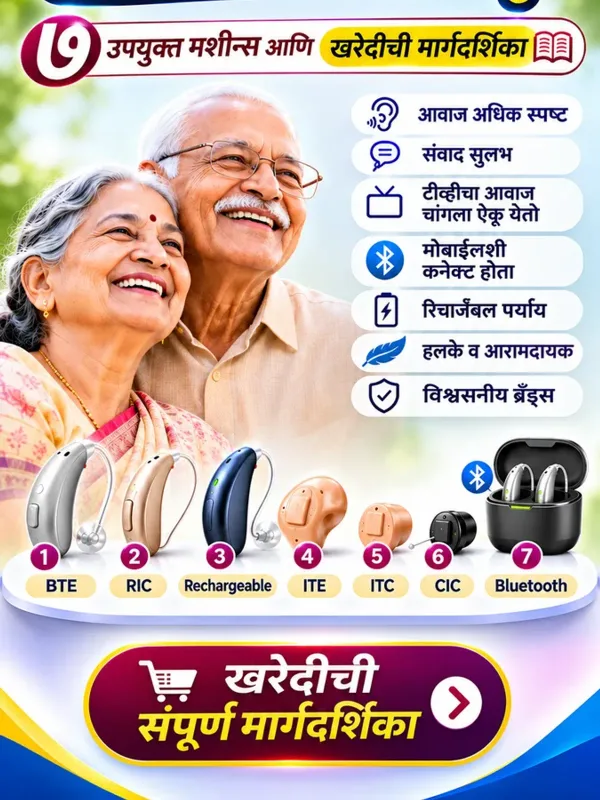 आजी-आजोबांसाठी कोणती आरोग्य मशीन? मार्गदर्शन
 ब्रेकिंग न्यूज: श्रवणयंत्रावर 50% सूट | व्हिआर स्पीच अँड हिअरिंग क्लिनिक, अहिल्यानगर
 Hearing Aids November 2026: Latest Updates & Price Guide
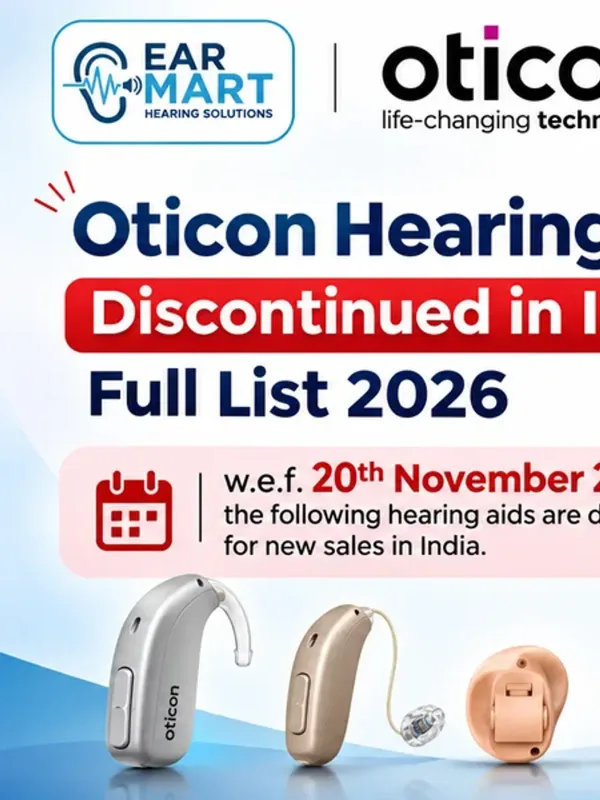 Oticon Hearing Aids Discontinued in India: Full List 2026
 Siemens Hearing Aid Guide 2026: Features, Prices, Benefits
 Phonak Hearing Aid Latest Update 2026: New EON Series, Features, Price and Availability
 Signia Hearing Aid Latest Update 2026: New MaX AI Hearing Aid, Features and Prices
 Widex Hearing Aid Latest Update 2026: Allure AI & Price
Reader Comments
Comments are reviewed by our desk before they appear. Sign in with your mobile number to join the discussion.